Companies of all sizes depend on IP Transit to gain access to the world of technology. IP Transit is the core for modern communications networks. It is the power behind everything from cloud services to eCommerce platforms. This article will look at IP Transit, IP Transit providers, their services, and the prices of IP Transit.
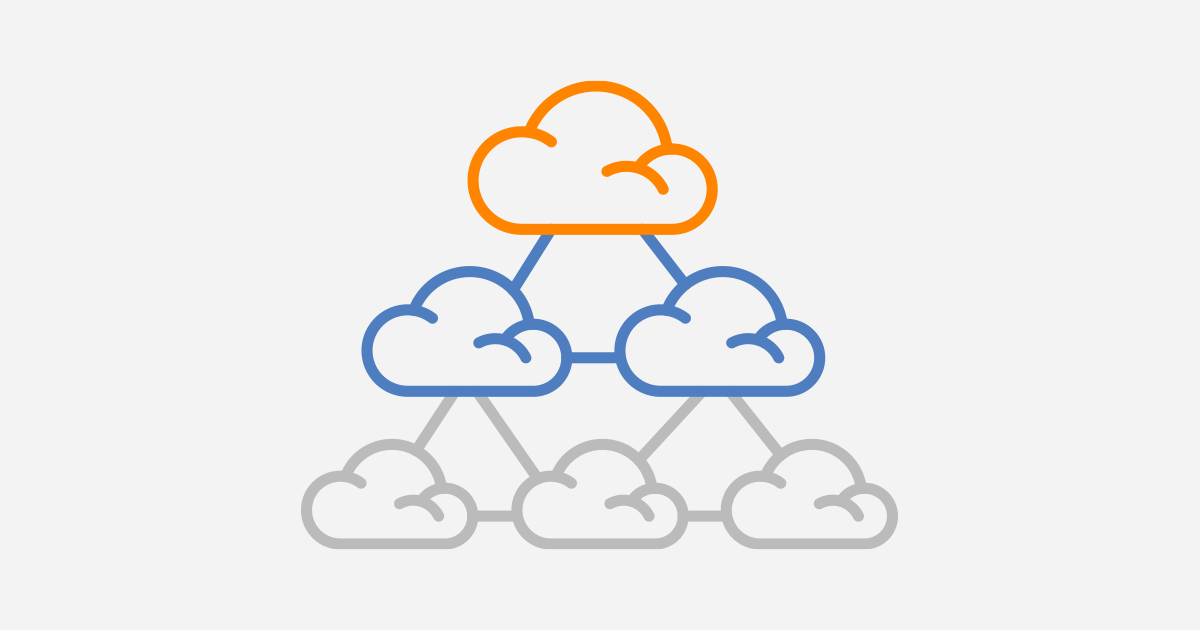
IP transit can also be referred to as internet transit. It permits traffic from networks (also called “traffic”) to traverse or “transit” to a network. The users can then connect to the internet in general. This connectivity is enabled by IP transit providers, which are companies who own and manage the infrastructure that allows data packets between networks. These providers are essential in giving consumers and businesses reliable internet connectivity.
There are numerous IP transit options available to businesses. Certain providers offer basic transit services, which allow access to the internet without any extra features or customization. Others offer more advanced services like managed IP transit, which offers additional monitoring, support, and security features. The kind of service you select depends on the needs and requirements of your business.
Pricing is one of the most important aspects for business when choosing the right service. Prices for IP transit may be affected by factors like bandwidth requirements, geographic location and service-level contracts. It is important for businesses to comprehend the different pricing models and cost structures provided by service providers to make educated decisions and gain the best value from their investment.
In addition to pricing, businesses should also consider the reliability and performance of the IP transit provider. Carrier-grade networks, with backbone connectivity of 100G or 400G, offer the capacity and reliability for mission-critical applications and services. Automating the entire process from beginning to end further increases efficiency and provides seamless customer experience.
IP-Access offers a customizable and flexible solution for businesses that are seeking to streamline their network connectivity. This connectivity option is ideal for companies that have legacy installations or specific needs. With features like IPv4/31 and IPv6/127 transfer networks by default, businesses can modify their connectivity to meet their requirements without the complexity of BGP sessions.
IP-Access, when it comes to the internet, also offers basic DDoS (Distributed Denial of Service) protection against attacks that are volumetric. This provides an extra layer of protection to businesses and their networks. This protects against delays and loss of profits due to cyber attacks.
For businesses of all sizes, Inter.link Portal offers a easy and effective way to connect to IP transit services. Within a matter of minutes, companies can setup IP transit by choosing their preferred locations and bandwidth requirements. This process is simple and allows companies to focus their resources and time on their core business.
In conclusion, IP transit plays a vital role in enabling the modern internet and enabling businesses to connect and communicate with the world. By understanding the fundamentals of IP transit, the role of IP transit providers, the range of services they provide, and the best way to manage pricing and costs, businesses can make informed choices and make sure they have the connectivity they require to thrive in today’s digital world. IP transit is essential for modern communications networks. It is used to connect cloud services provide power to e-commerce platforms and connect remote offices.