Processing a single bank account statement isn’t a huge operational problem. In the case of a single PDF file is being processed the manual entry of data is possible.
You can now multiply this work over dozens or businesses, multiple accounts, and many statement periods.
The issue is resolved. It was once a straightforward clerical task, but now it’s a long-winded process that consumes the time of employees and increases the chances of unreliable data entry. Improved bank statement conversion doesn’t just mean making a single document quicker. It’s about creating the system that will work as the volume of transactions increases.
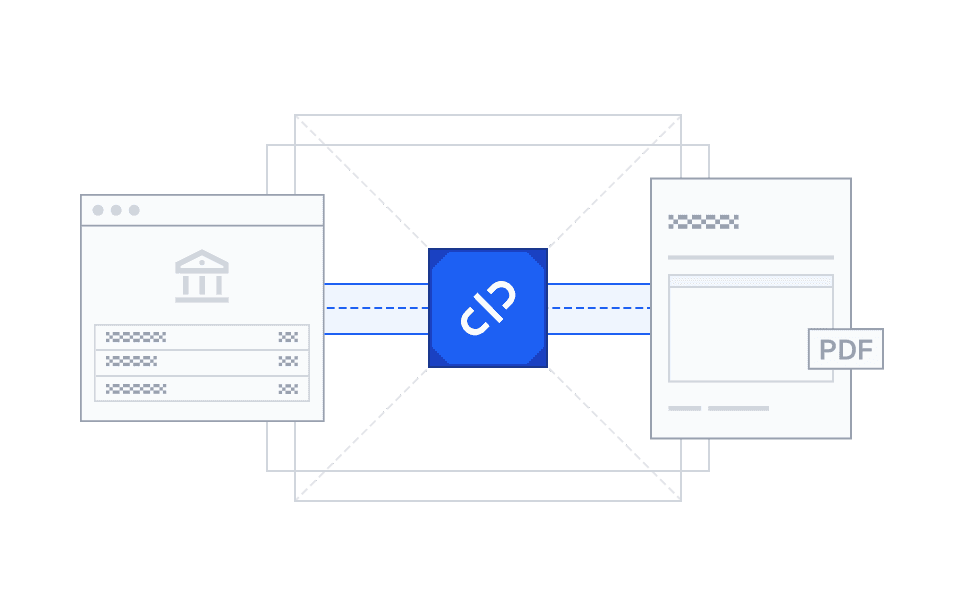
Image credit: docubrew.com
The main bottleneck is repetition
Imagine that a accounting firm receives PDFs every month from multiple clients. One client provides statements from Chase one, another Wells Fargo and others Bank of America, Capital One or Citi.
Browse through each PDF file and manually enter each transaction.
A bank statement converter can move the workflow away from transcription and towards review. Docubrew extracts the transaction figures directly from the bank statement, instead of estimating financial values. This results in an organized file that can be reviewed prior to use. With the increase in document volume the distinction between them becomes more important.
Batch Processing Modifies Equation
For conversions that are not frequent infrequently, it might be sensible to manage files separately. Accounting firms usually encounter a different set of challenges. Docubrew permits multiple statements to upload and be processed in one batch, with different results. Firms can now manage client files without having to manually build each transaction table.
Customers can convert bank statements to CSV format and then read the information on transactions.
It’s the same for papers that have been scanned. Docubrew can OCR the PDFs scanned by scanners. This is helpful when the client’s history includes the native PDFs and scannable documents.
Make outputs for the work of accounting to come.
The process doesn’t finish when the conversion is completed. The majority of transactions must be processed.
Docubrew is able to export CSV as well as Excel. QBO offers an output format that is suitable for teams who need to transfer a bank statement into Quickbooks.
Firms that regularly convert bank statements to Quickbooks can build a more consistent process around receiving statements, processing them, checking the extracted data, and preparing the appropriate files for the accounting workflow.
The human review is still vital. Automation could eliminate the need for repetitive transcription, however bookkeepers remain responsible for checking financial information and completing the accounting tasks in a timely manner.
Information from clients is a Workflow-related Decision Itself
The handling of sensitive client data is also linked to greater volumes of document.
Docubrew offers two different processing techniques. Windows desktop software performs conversions locally. Files can remain on the computer. Docubrew says that cloud uploads are encrypted and uploaded files and converted files will be deleted after 24 hours.
Accounting practices could choose the method that best suits their internal needs.
Scale the process but not the repetitive tasks
A booming bookkeeping business should be expecting more financial documents. This shouldn’t be the case of requiring more copy and paste tasks.
The useful question is if the approach that was successful for five clients would work for 50.
Standardizing the way statements are reviewed, received and made available to accounting software will assist firms in developing a workflow that can handle periodic volumes, rather than making each PDF a new manual project.