For centuries wax museums have attracted viewers with their unique blend of art, history and entertainment. These museums are not just galleries that display sculptures, but are also immersive experiences that take visitors back to a time and through the culture. Behind these dazzling works lies the hard work of wax figurine manufacturers as well as wax museum project planners who bring together creativity as well as craftsmanship to bring iconic characters and their stories to life.
What is it that makes Wax Museums different?
A wax museum’s mission isn’t just about displaying realistic representations of famous figures It’s about creating an environment where history, culture, and art meet. Each project starts with a vision that guides its design, from concept making to its finalization. These projects are designed to give visitors an educational and interactive experience that leaves a lasting impression.
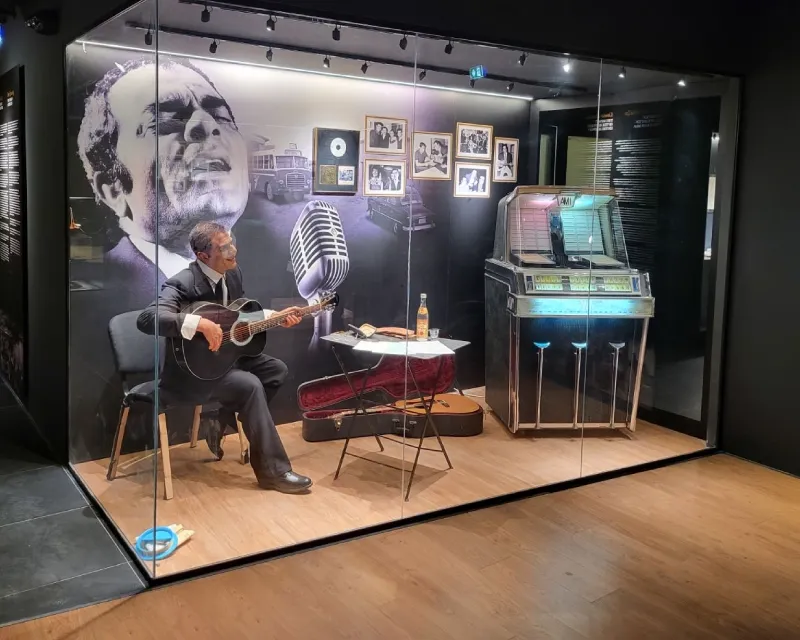
Image credit: dxdfart.com
The distinctness of a wax museum lies in its ability to:
Tell Stories: Through elaborate displays, wax museums recount historic events, showcase cultural icons, and showcase contemporary celebrities.
Engage Visitors Interactive exhibits and themed sections along with lifelike wax figures will immerse your visitors in an immersive world.
Inspire Creativity. Every element is designed carefully from lighting to figure placement, to create an unison experience.
What’s the function of a wax figure producer?
At the heart of every wax museum project is the wax figure manufacturer. The artisans and engineers are the ones responsible for turning ideas into real life. Their work goes beyond simply creating. It is about creating characters that convey the essence and character of people, ranging from the faces of the person to the texture of the skin.
The Wax Production Process Figure Production:
Planning and research: This process starts with gathering information that is detailed, like images, videos, historic information, and other sources.
The art of sculpting: Professional sculptors concentrate on creating realistic models with clay or using digital technology.
Wax Casting The model is used to create a mold, which is then filled with wax that is of high quality. To make sure that the proportions of the image are correct it is important to have precision.
Detailing: The figure is brought to life by incorporating details such as hair, clothes eyes, and clothing. This process requires collaboration with hair stylists and costume designers.
Final Assembly: Once all components are finished, the figure will be put together and tested to ensure that it is of good quality.
Modern manufacturers employ cutting-edge technology including 3D printing or scanning to increase precision and cut production time, while preserving aesthetic integrity of their products.
Wax Museum Projects – A One-Stop Solution
Specialized firms that focus on wax museum projects can provide the complete solution to every phase of the plan. They provide seamless execution right from conceptualization through construction. This lets investors concentrate on the bigger overall.
Services provided by the Wax Museum Project
Concept Design: Experts work with investors to develop the layout and theme that is consistent with their ideas.
Plan and Scheme Development: Detailed plans, including the layout of figures, exhibit design, and visitor flow, are developed to enhance the visitor experience.
Design and Construction: Expert teams manage the physical construction and ensure that the space is both beautiful and functional.
Operational Guidance: Following the museum’s closing, many companies provide instruction and strategies to assist staff members to run their operations more efficiently.
They offer end-to-end services for investors, allowing them to take advantage of the expanding market of leisure and design attractions that make money, and entice visitors from around across the globe.
Wax Museums Cultural and Economic Impact Cultural Impact
Wax Museums are much more than tourist destinations. They help local economies and cultural preservation. Through the exhibition of famous figures These museums help educate visitors about history and create admiration for the rich cultural heritage.
Economic Benefits
The increase in tourism revenues generates income for local businesses.
Manufacturing museums, hospitality, and tourism industries.
Cultural Benefits:
Preservation of cultural and historical narratives.
Community celebrations are an opportunity for communities to honor local heroes and the traditions.
Why invest in a wax museum?
Museums that are made of wax are an excellent opportunity for investors to mix business and creativity. In the entertainment industry wax museums are profitable due to the growing demands for immersive and interactive attraction. Investors can develop unforgettable attractions by partnering with a manufacturer of wax figures with experience and the one-stop solution.
Conclusion
These projects highlight the lasting attraction of art and history. These projects combine creativity and innovation, from meticulous efforts of the wax figure makers to art of strategic planning for the layout of museums. As the industry grows and wax museums grow, they continue to captivate audiences, preserving the past while welcoming the future. Wax museums provide an unforgettable experience through time and culture and are a must for anyone who is a visitor or an investor.