In today’s digital age the heartbeat of modern business is resonating through intricate networks and vast internet realms. The word “digitalization,” which was previously a buzzword, is now the underlying principle that drives and sustains modern businesses. The dynamic nature of IP addresses and proxies, is the fundamental pillar of seamless connectivity that has become essential for online operations.
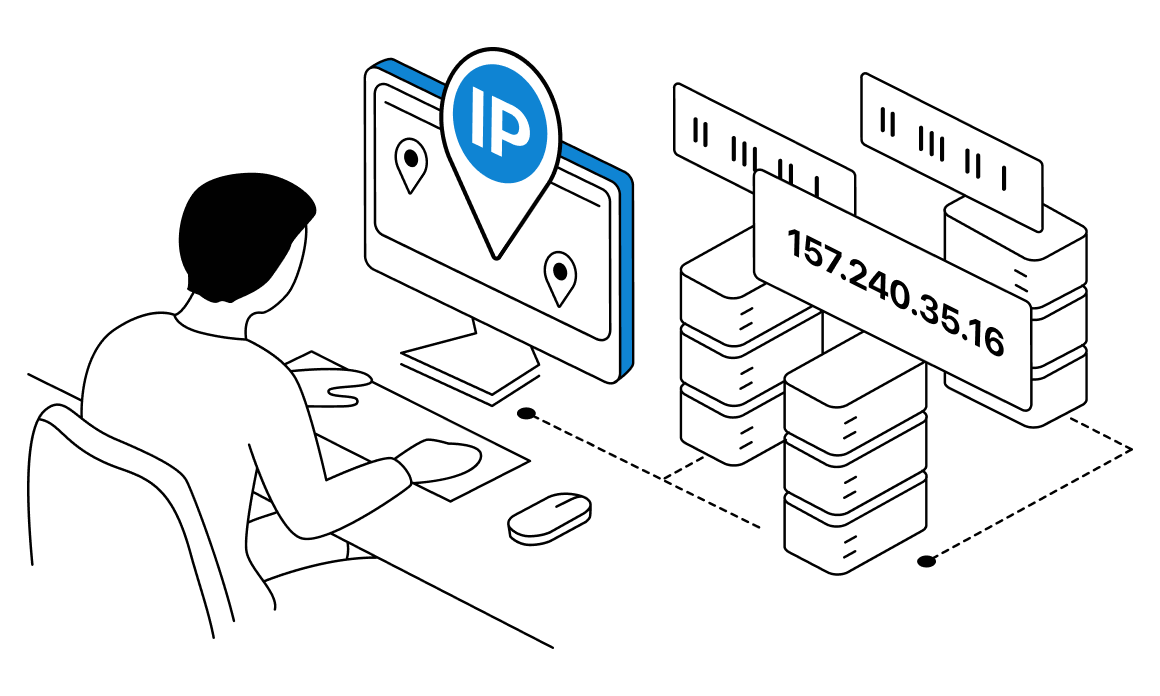
Anyone who has to navigate the digital world needs to understand the significance and nuances of IP addresses and proxy servers. These are typically hidden from view but they play an essential role in assisting businesses in achieving greater effectiveness and security. If you’re an entrepreneur, or digital enthusiast, figuring out the details of IP addresses as well as proxy services can dramatically improve the efficiency of your digital business and bolster your defenses against online threats.
What are IP addresses and Proxies?
IP addresses and proxy servers are at the core of digital infrastructure, and they influence how we conduct business and communicate online. IP addresses are unique identifiers that are assigned to all devices connected to the Internet. They’re similar to digital fingerprints. These addresses ensure that data is transmitted and exchanged over the internet in a seamless way.
Proxy servers act as intermediaries between your device and the internet. When you go to an online site, a proxy serves as buffer, intercepting and relaying requests. This does more than obscure your IP address, but it also increases security and privacy because it serves as a protection against possible cyber-attacks.
Modern Business and Proxies
In modern business, proxies have emerged as vital tools, resulting in improved efficiency and security. Proxy servers are used to provide secure and anonymous web browsing. Proxy servers safeguard sensitive information from cyber-attacks and eavesdroppers, by concealing IP addresses.
Proxy servers let businesses handle online operations and optimize them efficiently. Proxy servers are configured to block content, filter out malicious sites and prioritize important apps making sure that employees have an enjoyable and seamless online experience.
For companies that are global proxy servers provide the chance to gain access to information that is restricted to regions as well as market information in different geographic locations. This access is useful for conducting market research, competitor analysis and the development of targeted marketing strategies. These are all vital elements of a modern-day business’s success.
IP Addresses for modern Business
IP addresses play a role in modern day business that transcends simple identification. The IP address is the primary key to data sharing, communication and connectivity in the digital age. Every online transaction, internet visit, email communication or cloud-based operation is dependent on IP addresses.
In today’s competitive business landscape data is a highly sought-after asset. IP addresses allow businesses to track user behavior and understand market trends. They also can tailor their offerings to satisfy the requirements of customers. This data-driven approach does not just improve customer satisfaction but also assists in making better decisions which will lead to sustainable growth.
Enhancing Security, Efficiency, and Productivity
By delving into the fundamentals of IP addresses and proxies, businesses can optimize their digital operations. Increased efficiency in digital means faster, more reliable online services that ultimately boost customer satisfaction. Utilizing proxy servers to disguise IP address ensures businesses are able to safeguard sensitive data, and maintain confidentiality in an ever more threatening cyberspace.
In conclusion, IP addresses and proxy servers have been the unnoticed heroes of the digital period, creating a connected and technologically advanced world. Utilizing and understanding the power of IP addresses as well as proxies can open up a world of possibilities for business, leading to increased efficiency, improved security, and ultimately expansion. In the constantly changing digital landscape, a comprehensive understanding of these foundational elements is indispensable for businesses that want to succeed in this digital age.