In the ever-changing market of e-commerce giants two names have emerged as contenders for the throne of affordability and popularity: Temu and Shein. The two companies have gained interest due to their rapid growth in the industry and their reputation for offering affordable products. Similar to any other comparison, it is important to dig deeper into their business models to establish if Temu and Shein are alike or different players in the online retail market. For more information, click is Temu owned by Shein
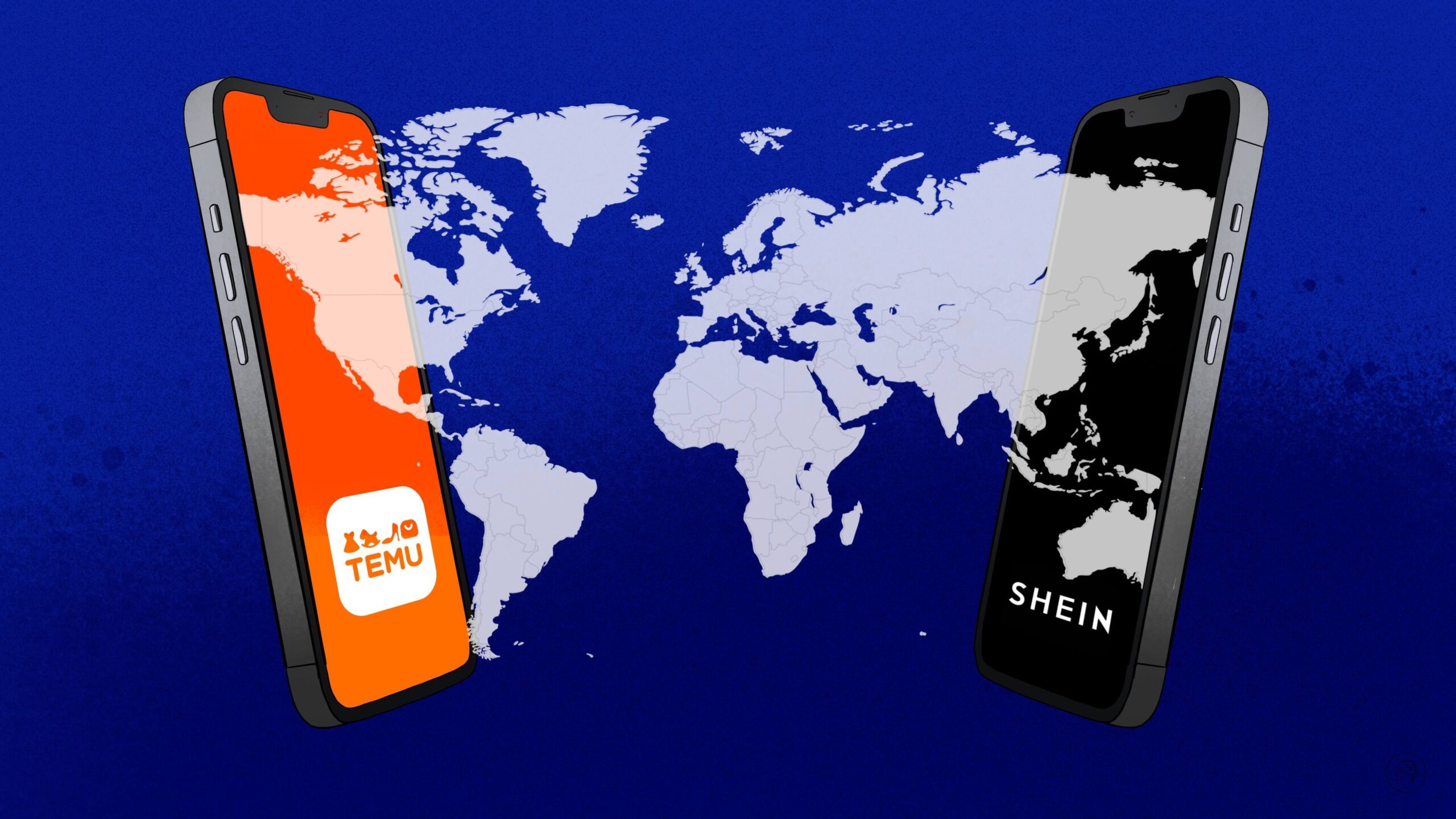
The rising of Shein and Temu
Temu’s rise to prominence is undoubtedly comparable with Shein’s story of success. Both have seen exponential growth and have caught the attention of shoppers who are budget conscious. Their popularity lies in the cost of their merchandise, which enables consumers to stay fashionable and not break the budget. This has led many to question: are Temu and Shein made from the same cloth?
Differences and similarities
Temu is a similar company like Shein in offering products that are affordable, but they’re not exactly mirror images. Temu’s innovative Next-Gen Manufacturing Model is unique in the sense that it delivers substantial cost savings across different categories of products. This model makes use of advanced manufacturing techniques to streamline production processes. It helps reduce overhead costs, and passes the savings onto customers.
However, Shein has gained a reputation for its fast-fashion approach which focuses on clothes and accessories. Its appeal lies in staying up-to-date with the latest trends and providing numerous options for a wide range of fashion preferences. Shein’s focus on fashion, as along with other verticals, such as accessories and beauty has helped it to carve out its own niche.
Business models in the spotlight
Temu’s Next-Gen Manufacturing model deserves a closer look. Temu optimizes the supply chain and manufacturing processes by using modern technologies like AI, data analytics and automation. They can maintain the quality of their products and cut costs for production. Temu offers a wide range of products at competitive costs in various categories, from electronics to household goods. This is what sets Temu aside from Shein which is focused in the area of fashion and its derivatives.
Shein does cover a wide range of fashion styles, however, its business model rests on its constant update of its inventory in order to keep pace with the changing fashion trends. This demands rapid design manufacturing, production and distribution cycles. This strategy has contributed to its success, particularly among younger audiences looking for affordable pieces that are trendy.
Ownership matters
One topic that has created interest is the possibility that Temu is controlled by Shein. This is not true. Temu and Shein, despite superficial similarities or differences both are separate entities. They also have distinct ownership structures. Temu is a distinct player in the field of e-commerce with a focus on its distinctive manufacturing process, whereas Shein is an individual brand that is recognized by its trendy offerings.
The Takeaway
It’s easy to draw comparisons between businesses with a similar growth rate in the tumultuous sea of ecommerce. Temu’s and Shein’s story shows that, despite the similarities they have significant differences. Their different approaches to production, business and market focus show their uniqueness.
Temu’s Next Generation Manufacturing model is an example of the latest innovations in the e-commerce sector. Temu utilizes technology to streamline its processes. This not only lowers costs, but also increases the affordability of a variety of product categories. Shein, on contrary, is renowned for its dedication to the latest fashions. Its rapid production of goods also strengthens the position of the company as a leader in e-commerce for fashion.
Temu’s comparison to Shein highlights the differences in the world of online shopping. Although both companies cater for price-conscious customers but their business strategies and strategies as well as the areas of their expertise are different. Temu’s manufacturing skills, and Shein’s quick fashion savvy show the variety of the online shopping ecosystem. Let us, as consumers and online enthusiasts, appreciate the distinctiveness these platforms brings to the table, and keep exploring the expanding world of online shopping.