Sparrows are usually cute and charming, however they can also be pests should they decide to invade your house. Sparrows can easily adapt to their surroundings and reproduce quickly and can lead to infestations. These can be a problem due to a variety reasons, including health concerns or property damage. It is vital to learn how to manage sparrow nests and get rid of sparrows to ensure an orderly and secure environment.
Understanding the Sparrow Problem
Before diving into solutions on how to eliminate sparrow birds, it’s essential to know why sparrows could be problematic. The sparrow in the house is believed to adapt well and flourish in urban settings. The nests of house sparrows are typically placed in areas which are difficult to access, such as corrugated siding, drainage pipes, house shutters, and rafters. Nests of sparrows may cause serious issues, including blockages in gutters, and damage to machinery. They could also pose dangerous to burn due to metal equipment that is hot. Sparrow droppings can also be an excellent source of harmful fungi, bacteria and ectoparasites, which can lead to serious health problems such as histoplasmosis and salmonella. Therefore, addressing sparrow infestations and learning how to get rid of sparrow birds promptly is vital for both health and safety.
Sparrows: Effective Methods to Control Their Spread
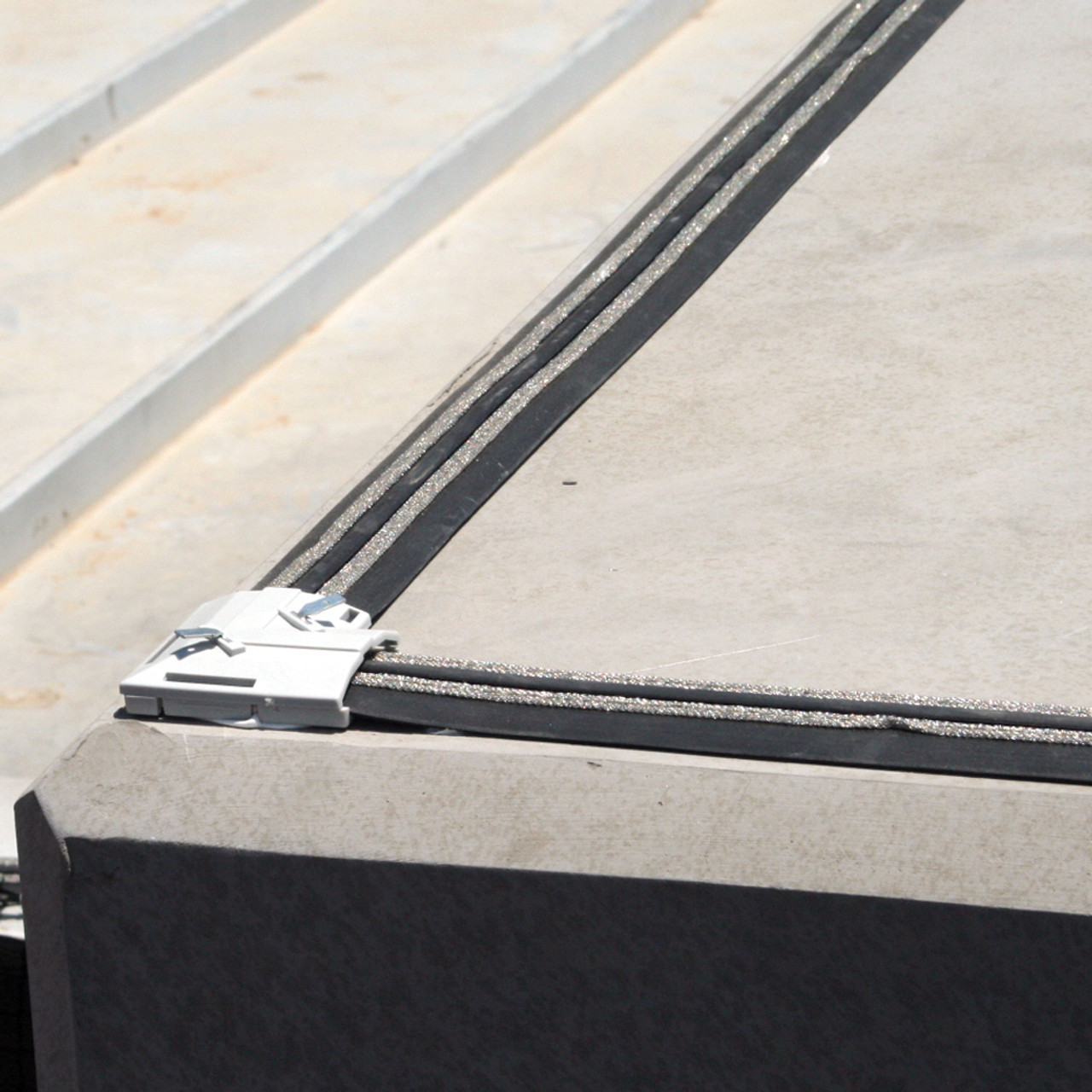
Physical barriers are one of the most effective methods to keep house sparrows out. It is possible to cover nesting spots such as rafters, vents and eaves with bird nets or mesh screens. These screens prevent the house sparrows and other birds from entering these places. They are less likely to build nests and establish an infestation.
Repellents and Deterrents repellents and deterrents are able to discourage sparrows from visiting your property. For instance, reflective surfaces, like aluminum foil strips or mirrors can frighten birds away. Ultrasonic repellents emit sounds which are unsettling to birds, but are not heard by humans. These devices are an effective way to keep birds away without harming them.
Traps and Removal: in situations of severe infestation traps can be a useful instrument for capturing and eliminating sparrows. The birds are able to be captured by human hand using live traps which are specifically designed for sparrows. After being trapped and relocated, sparrows need to be moved in a suitable habitat away from your house. Traps should be used in compliance with the local laws regarding wildlife.
Professional Services: It might be advisable to contract professional pest control services in the event of a large infestation or if you have a large number of nesting sites. Experts in bird removal are able to evaluate the situation and apply the most advanced methods for removal. They can also provide long-term tailored solutions.
Sparrow Nests Management The Most Effective Methods
Regular Inspections and Maintenance: Regularly inspect potential nesting sites around your property, such as gutters and vents. Removal of nests immediately after they are found could assist sparrows to establish a stronger presence. Be cautious when handling nests because they may be full of disease.
Cleaning and Sanitizing Following taking out nests of sparrows, thoroughly clean and sanitize area to eliminate any nesting materials and droppings. This stops the spread of bacteria and prevents sparrows from returning. Wear protective gear and use appropriate cleaning agents to prevent exposure to pathogens that cause harm.
Repair and prevention: Once nests are removed then repair any damage done by sparrows. Secure all entry points to keep sparrows out. You can consider bird-proofing techniques like spikes and fences to discourage nesting.
The environment around your property will reduce the attraction of sparrows. For instance, trimming trees and bushes close to your house can limit the availability of potential nesting areas. In addition, removing food sources, such as uncovered trash or pet food will deter birds from visiting your property.
The article’s conclusion is:
Effectively managing sparrow populations involves the use of preventive measures and active techniques for controlling. By understanding how to eradicate sparrows, implementing physical barriers, using repellents, and getting assistance from a professional when needed You can tackle sparrow-related problems efficiently. The control of nests for sparrows through regular inspections and cleaning and modifying the habitat will ensure a comprehensive approach to keep these birds out. These actions can help ensure a clean, pest-free and safe environment.