It’s normal to expect cuts, blisters, or sores to heal on their own. In most cases, with a little cleaning and care the body does an amazing job of fixing themselves. When a wound does not heal in about four to six weeks, or gets more red, swollen and leaking fluid, or has a bad odor, this could indicate that there’s something more serious taking place. Sometimes, a sore which is initially small can turn into an infected wound on the leg or foot, and if left untreated the wounds can result in serious complications, even the possibility of amputation in some cases.
You need assistance if you’re not successful in healing a wound.
What causes some wounds to refuse to Heal
Knowing the reasons that are common for the wound not healing will help you and your doctor decide on the best way to treat it.
If you have diabetes the risk of developing foot and leg ulcers is high. A high blood sugar level can damage your nerves (so you don’t feel injuries in the event of an injury) and hinder blood flow, making it difficult for even the smallest injuries to heal.
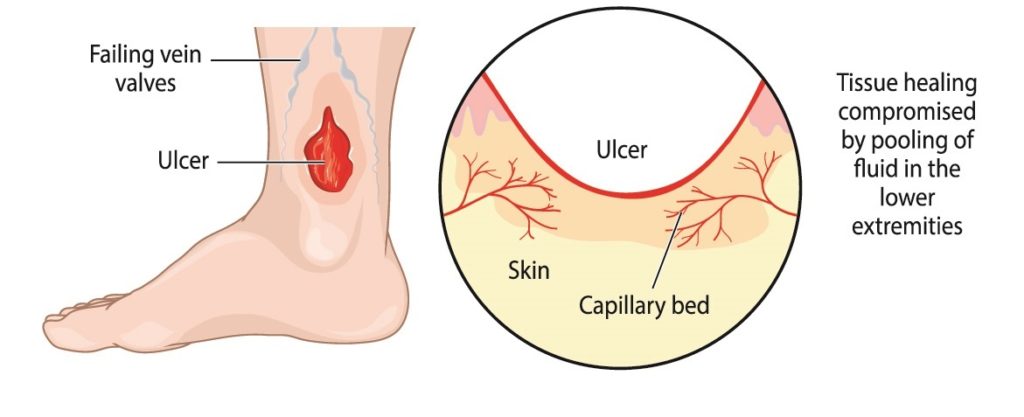
A slow or inadequate circulation could be a cause. This is typically related to venous or arterial ulcers. If your arterial arteries fail to do the job they should, you’ll not get enough oxygen and nutrients to help heal your skin.
If you’re unable to move around, then you could be prone to developing pressure ulcers.
The healing process can be hindered by other factors including age, certain medications, autoimmune diseases, and poor nutrition. There is a chance that a combination of factors can result in a wound that remains.
How long does healing usually take What happens if this does not happen?
It’s normal for people to question how long healing “should take”. However, it is contingent on the nature of injury and your general health. A small cut or blister could heal within just a few weeks. But if you’re dealing with a deeper foot ulcer or leg wound won’t heal, it might take up to 12 weeks if things are going well.
Do not put off seeking professional wound care if you do not see any improvement in the next four to six weeks. It’s the right time to seek the help of professional. The longer an open wound remains in the open, the more dangerous it may become.
Find the appropriate help for you
If your wound doesn’t heal the same way, it’s not “bad luck” or a reason to not pay attention to your body is trying to tell you that it requires assistance. The good news? There are treatments and specialists that can make a huge difference. Our clinic specializes in treating leg and foot wounds that aren’t healing. We will work with you and your other health care providers and develop an action plan that gives your body the highest chance to heal and avoid amputations.
Find solutions to high-end wound dressings, blood flow restoration and even hyperbaric therapy. We’ll be there throughout the process, as we believe that no one should be forced to treat a wound which won’t heal.
Final Thoughts
The pain of a wound that doesn’t heal is more than an issue with your body. It affects your entire existence. There is some hope. Don’t hesitate to ask for help if you are frustrated with the pain of a leg ulcer that will not heal, a persistent sore, or a wound that’s not healing. You can live the life you want with no constant pain or anxiety about a painful wound If you take action quickly.