A customer loves the color of a wig but finds the cap uncomfortable after several hours. For another wearer, the benefit of the natural-looking hairline comes with a drawback: a twenty-minute lace adjustment at the start of each day is more than they want. For a third buyer, the visual appeal is not the issue. It is the unexpectedly heavy feel created by the wig’s density.
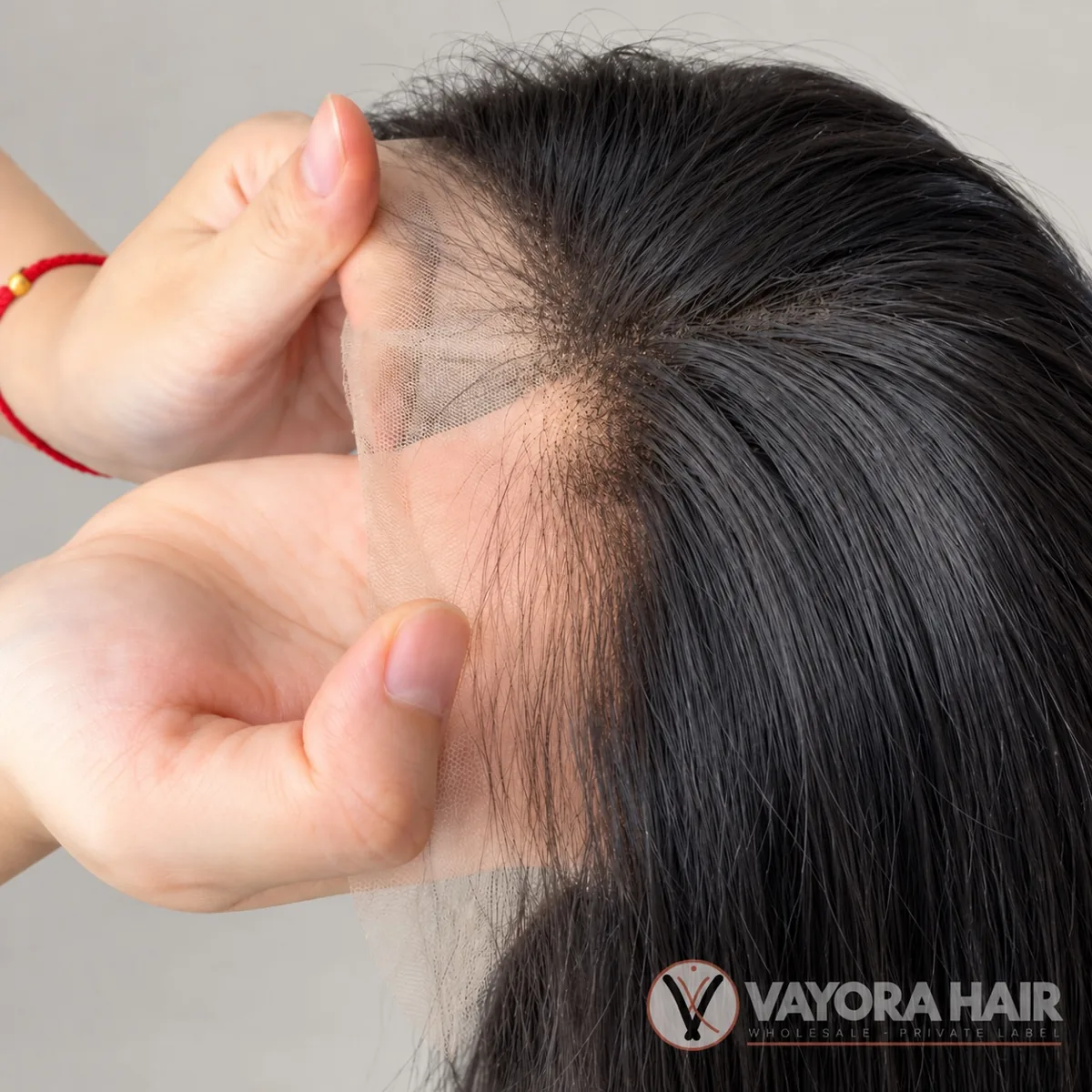
Image credit: vayorahair.com
There is more practical insight in these comments than a wig brand might initially see. They identify opportunities to create wigs customers genuinely like to wear.
A successful range does not have to follow the latest viral hairstyle. What matters is understanding what customers want to experience when they put on a wig.
Look Beyond the Sale
Customers rarely describe their needs using manufacturing terminology. Instead, their comments center on comfort and convenience, confidence and appearance. When a buyer asks for less preparation in the morning, a glueless construction may be worth exploring. Feedback about a hairline that does not look natural can prompt a review of lace appearance, knot treatment, hair density, or parting design.
The human hair wig manufacturer China brands select should convert such customer observations into measurable specifications.
Rather than specifying a 22-inch body-wave wig alone, a buyer can outline the experience intended for wearers, cap fit, lace construction, the look of the hairline, and finished weight. Such precision provides the development team with a more precise goal.
Develop a Recognizable Private Label Collection
Many emerging wig brands make the mistake of building their catalogs around whatever products are currently popular. Such an approach can leave the brand with a collection that looks strikingly like competitors’ offerings.
To build a more recognizable identity across its products, a brand can collaborate with a private label wig manufacturer China retailers work with. The identity might be expressed through a lightweight everyday collection, a premium natural-hairline line, or ready-to-wear products intended for customers who prefer minimal preparation. The shared customer commitment should guide texture, length, color, density, cap construction, and packaging. When a range has a distinct identity, customers have a reason to return that extends past a temporary promotion.
Consider More Than the Glueless Label
A glueless label may be simple, yet how the wig feels during wear is shaped by several construction details. Everything from cap sizing and adjustment features to attachment components, lace preparation, and hairline design affects how securely and comfortably the unit fits.
Establishing these design requirements before production is something a glueless wig manufacturer China buyers work with should assist with. For a range intended for people purchasing their first wig, the priorities may include manageable density, pre-cut lace, and straightforward adjustments. The customization requirements for a professional stylist’s collection may be different. There is no inherent superiority for either approach. What distinguishes them is the intended wearer.
Help Preserve Your Brand’s Reputation Through Sampling
A product photograph cannot tell you everything about a wig. Evaluating the unit means looking at the fit of the cap, hair movement, color accuracy relative to expectations, and whether the final construction follows the approved design. Reviewing samples allows buyers to recognize differences before ordering in greater quantities.
For a wholesale human hair wigs supplier, documented specifications and quality-control procedures are especially important when the same style must be produced repeatedly. Even a well-received first batch may be hard to replicate consistently if there are no clear references.
Build a Collection That Can Grow
VAYORA works with B2B wig retailers, distributors, and brands to support product development, private label services, sampling, specification control, and workflows for repeated production. The approach links customer expectations to the physical features that determine the wig’s appearance, fit, and feel.
Before adding more products, a brand should look closely at customer feedback, determine where its strongest product opportunities lie, and define clear approval standards. A successful next collection might not depend on offering additional styles. The greater opportunity may lie in making fewer compromises in the designs buyers already seek.