For most homeowners, the thought of an oil tank replacement rarely crosses their minds until necessity knocks on their doors. It is crucial to remember that this seemingly easy job has a significant impact on the home’s infrastructure. As responsible property owners, it falls upon us to make sure that heating systems and oil storage containers work safely and efficiently. The inability to timely replacement of oil tanks can cause environmental and financial negative consequences. It is therefore essential to stay informed and proactive.
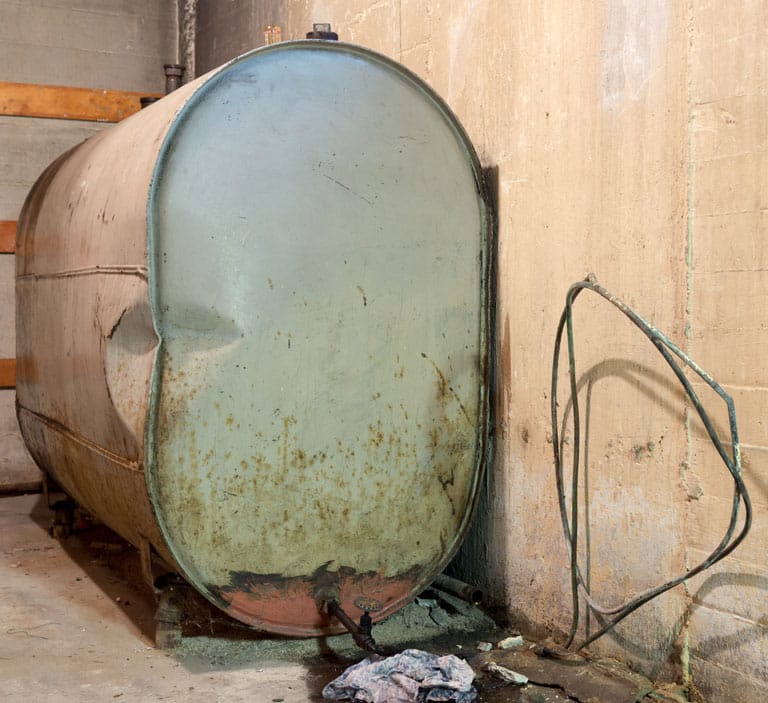
Think about the ramifications of not taking the time to upgrade your oil tanks. An oil leak that is minor today may result in a massive financial burden or environmental disaster in the future. It is vital to know the right information on oil tank systems and be aware of when it’s time to replace your tank. We will explore the various aspects of replacing an oil tank, including the cost to replace an oil tank as well as its benefits. This will provide you with the necessary information.
Replacement of the oil tank: Understanding the importance of urgency
Although the oil tank hidden away in your basement or yard might not be the most appealing part of your home however, it’s certainly one of the most important. This unassuming container, which serves as a storage tank for heating oil, ensures that your home is warm and comfortable throughout winter months. Like every other component in the world, oil tanks also have a life-span that is limited. If you do not take care of their maintenance, it can cause many issues.
An old oil storage tank is like a tinny clock. The wear and tear caused by corrosion and wear over time could cause the tank’s structure to weaken that could result in spills, leaks, or contamination. These accidents can not just affect your home but also the surrounding environment. You can minimize the risks by opting to replace your oil tank. This will protect the environment as well as your family.
Cost of replacement of the oil tank Calculating the cost
Oil tank replacement is not an instance. Budget considerations are typically an important factor in home renovation projects. The cost of replacing the oil tank can differ based on various factors, including the size of the tank, place of installation, as well as the complexity of the installation process. It’s an investment not a expense. Although the initial costs seem high, they are nothing as compared to the financial costs of the leak.
You can make a well-informed choice that’s in line with your goals and budget by requesting accurate quotes from reputable businesses. Be aware that the costs associated with replacement include not just the tank but also the labour, permits, and any soil remediation that is required. The security of a well-designed replacement oil tank is not only guaranteed, but provides long-term savings as well as peace-of-mind.
The environment’s imperative: taking on responsible oil tank replacement
The option of replacing an oil tank can have more impact than just your home. The older the tank has, the more likely it is to experience spills or leaks. This can result in contamination of the soil and water sources, and can cause lasting environmental damage. By choosing a responsible replacement of your oil tank, you can reduce the carbon footprint and also safeguarding the wellbeing of your community.
Modern services for replacing oil tanks place a high value on environmental responsibility. Expert technicians use techniques to safely remove old tanks and get rid of them while minimizing the possibility of contamination. Newer tanks are often equipped with the latest technology and materials which improve the environmental quality. You can help protect natural resources and enhance the health of your children’s generation by changing the oil tanks in your home.
A replacement for your oil tank can give you comfort and safety.
An oil tank that is new will make sure that your heating system works optimally, offering continuous warmth in the winter months. Oil tanks that are safe and fresh will ensure that your heating system is working optimally during the winter months. Additionally, it reduces the stress from leaks, and minimizes the possibility of an unexpected emergency.
Furthermore, the process of replacing an oil tank is a fantastic opportunity to explore energy-efficient alternatives. The newer tanks have improved insulation, and are designed with advanced technology. This results in savings on energy costs as well as lower heating costs. When you upgrade your oil tank, you take an active step towards increasing the efficiency of your home while living a more sustainable life.
It’s crucial to change your oil tank as it’s more than routine maintenance, but also an investment in your security, wellbeing, and the long-term sustainability of your home. As responsible homeowners, staying up-to-date with the signs that indicate the need for replacement and knowing the cost associated with it is crucial. Prioritizing the replacement of oil tanks can help to create a more secure and pleasant living space. Make the first step toward a safer and more environmentally green future by replacing your oil tank.